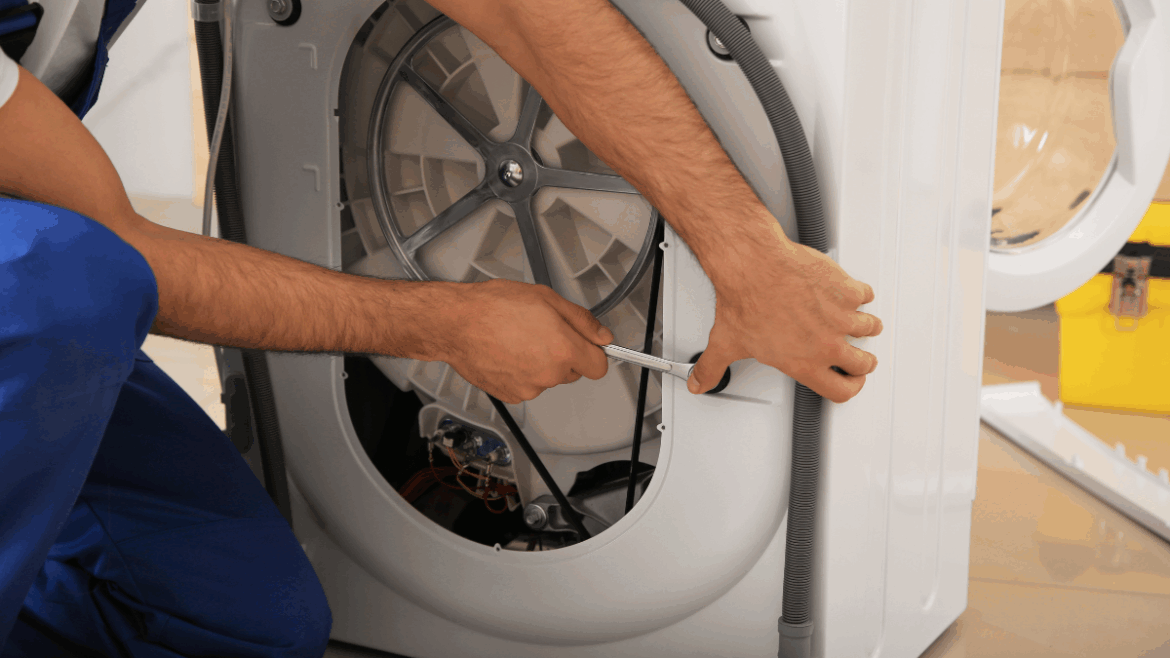
The circular economy continues to gain momentum across the European Union, with firm steps that directly impact manufacturers, repair professionals, and consumers. A new EU Directive introduces significant changes in how goods repair information must be communicated, setting clear deadlines and specific obligations that stakeholders should understand well in advance. With key milestones approaching in 2026, staying informed will be essential to avoid non‑compliance.
A European landscape focused on repairability and sustainability
This provision amends Regulation (EU) 2017/2394 and Directives (EU) 2019/771 and (EU) 2020/1828, strengthening the role of consumer information as a key driver for more sustainable purchasing and repair decisions. The transposition deadline is 31 July 2026, giving Member States and economic operators a limited window to adapt.
Information obligations for repairers: clarity and transparency
One of the key pillars of the Directive focuses on the information obligations of repairers, who must provide consumers with the European Repair Information Form. Once the Directive is transposed, they will be requierd to:
- Specify the conditions of repair clearly and comprehensibly.
- Provide the form of free change, o a durable medium and before the contract is formalised.
- Inform the consumer in advance of any diagnostic service fees, when applicable.
- Keep the repair conditions unchanged for a period of 30 calendar days.
These requirements are desgined to build consumer trust and make it easier to compare repair options objectively.
New information requirements for manufacturers and importers
The Directive (EU) 2024/1799 also introduces specific obligations for manufacturers of the goods listed in Annex II—including domestic washing machines, refrigeration appliances, electronic displays, welding equipment, vacuum cleaners, servers and data‑storage products, mobile or cordless phones, among others—as well as for authorised representatives and importers. Key information obligations include:
- Repair goods when EU-established repairability requirements apply, doing so free of charge or at a reasonable cost and within a reasonable timeframe.
- Publish information on indicative prices for common repairs on a freely accessible website.
- Do not use contractual clauses or technical solutions (hardware or software) that prevent repair.
- Do not hinder independent repairers form using original, compatible, second-hand, or 3D-printed spare parts.
- Do not refuse to carry out a repair on the grounds that the product has previously been repaired by someone else.
Likewise, manufacturers placing spate parts and tools on the market must offer them at a reasonable price—one that does not discourage repair.
Consumer information after repair and extended liability
For goods sold after 31 July 2026, the repair Directive introduces an additional information requirement:
- When a repair is carried out to restore the product’s conformity, the manufacturer must extend the liability period by 12 months. This extention may be applied only once.
- Consumers must be informed of their right to choose between repair or replacement, as well as for the possible extension of the liability period.
This reinforces consumer protection and firmly positions repair as the preferred option over replacement.
Staying up to date with environmental and product regulations
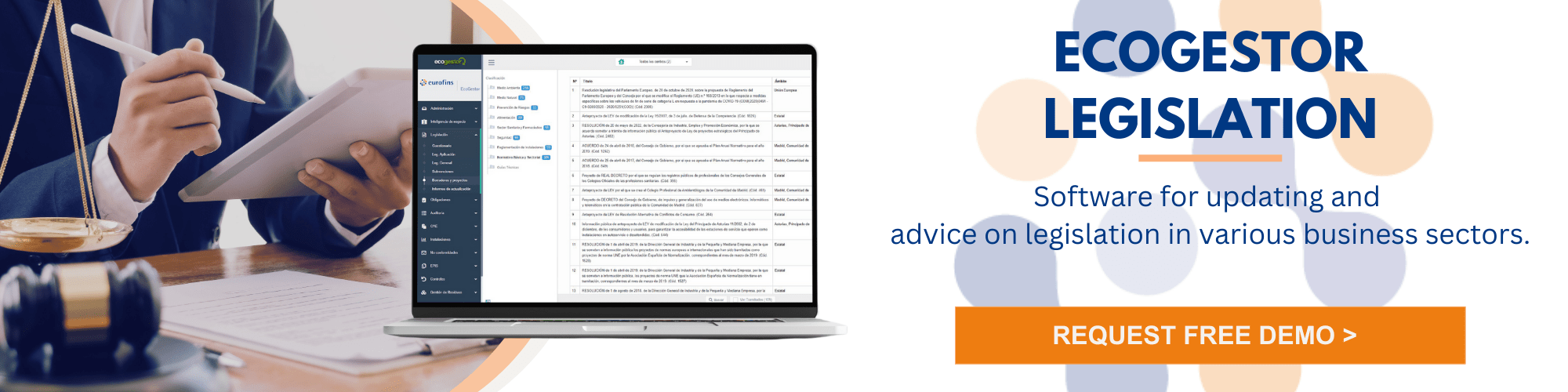
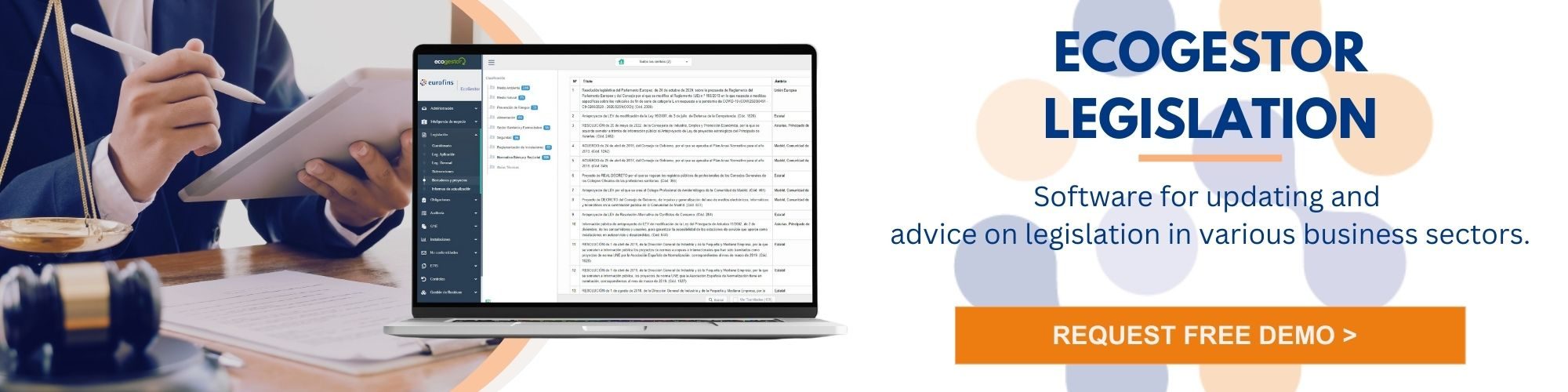
Given the growing complexity and volume of new regulatory obligations, having tools that simplify legislative monitoring has become essential. Solutions such as EcoGestor Legislation form Eurofins Environment Testing Spain enable organizations to stay up to date on relevant regulatory changes,a ssess their applicability, and anticipate compliance actions in a structured and efficient way.
The role of Eurofins in regulatory guidance
From the Regulatory Consulting and Compliance unit at Eurofins Environment Testing Spain, we support companies and organisations in interpreting, monitoring and adapting to Eruropean and national regulations, helping them integrate these new information obligations into their management systems and legal compliance frameworks.
Discover how to stay up to date with de EU regulations on the repair of goods with EcoGestor Legislation from Eurofins Environment Testing Spain.
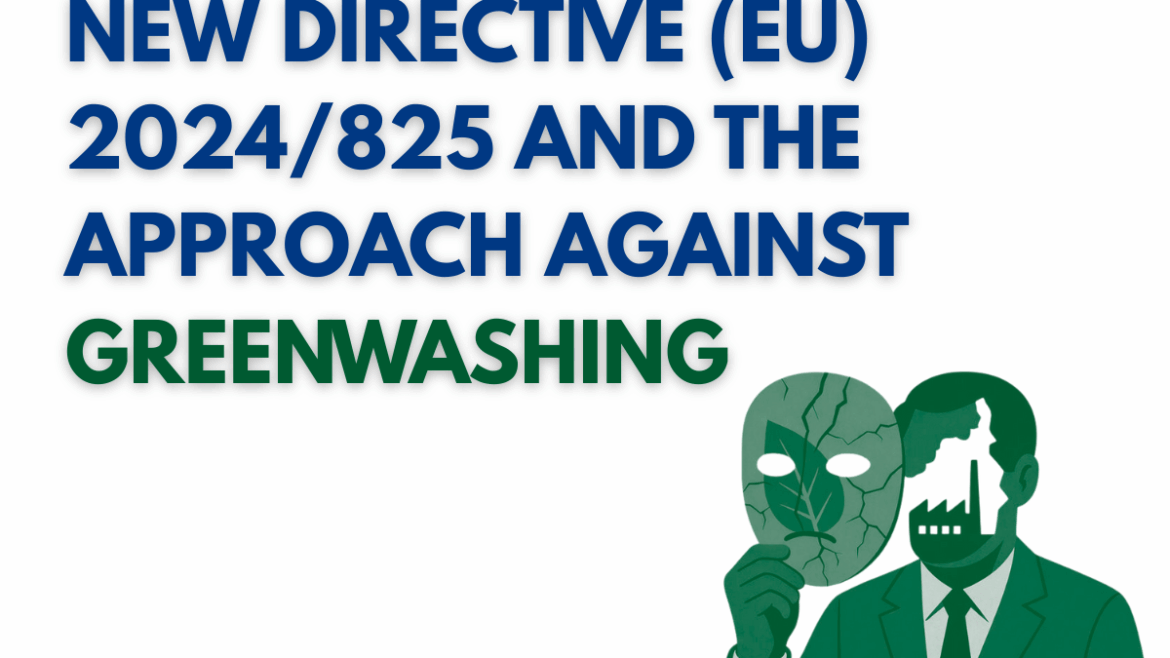
Directive (EU) 2024/825 of the European Parliament and of the Council of 28 February 2024 has been adopted with an ambitious and strategic objective: to empower consumers for the green transition through better protection against unfair commercial practices and clearer and more reliable information on the environmental and social characteristics of goods and services.
This new European framework essentially strengthens the fight against so-called greenwashing — marketing practices in which companies provide ambiguous, exaggerated or false information about environmental benefits to attract customers — and extends the obligations of transparency and truthfulness in commercial communications.
What does the Directive consist of?
The Directive mainly amends two key pieces of EU law:
- Directive 2005/29/EC on unfair commercial practices and
- Directive 2011/83/EU on consumer rights.
Its approach is twofold:
- Protection against misleading practices that make it difficult for consumers to make environmentally responsible purchasing decisions, such as:
- Misleading environmental or social claims about products (e.g., ‘eco-friendly’ without objective backing).
- Unclear or difficult to verify information on characteristics such as repairability, durability or recyclability.
- Ambiguous comparisons between products that may be misleading.
- Improvement of the pre-contractual information that companies must provide before purchase, especially in relation to:
- the availability of more sustainable delivery options,
- information on repair and after-sales services,
- details of durability guarantees or the conditions for software updates on digital goods.
Together, these measures aim to enable consumers to compare and choose products in a more informed and sustainable manner, and to enable companies to compete on the basis of facts — not ambiguous claims — about sustainability.
What is greenwashing and how does this Directive combat it?
Greenwashing refers to marketing practices in which a company presents its products or services as more environmentally friendly than they actually are or uses vague terms without verifiable support. The Directive acts on two fronts here:
- Extends the practices considered unfair when they mislead consumers about environmental benefits.
- It requires that environmental claims be backed by clear, objective, publicly verifiable commitments accompanied by implementation plans with allocated resources.
This implies that a company cannot simply claim that a product is “environmentally friendly” or “neutral” without providing verifiable and accessible evidence of how that conclusion was reached.
Key deadlines for companies in the EU
- Transposition deadline:
Member States must transpose the content of the Directive into their national legislation by 27 March 2026.
In Spain, this process has already begun with the drafting of the Preliminary Bill on Sustainable Consumption, which will serve as a regulatory instrument to adapt Spanish law to new European requirements on environmental information, combating greenwashing and protecting consumers.
- Effective application:
The rules may be applied from 27 September 2026, the date on which penalties or contract exclusions may be imposed for failure to comply with the obligations arising from the Directive.
This timetable is key for companies to prepare in advance and adapt their communication, labelling and environmental information management processes. ental.
What obligations will companies have?
Companies operating in the EU market must:
- Ensure that all environmental or social statements are clear, verifiable and reliable.
- Avoid ambiguous or unsubstantiated claims that could mislead consumers (greenwashing).
- Provide detailed and accessible information on relevant characteristics of the product or service — including aspects of circularity and sustainability — prior to purchase.
- Facilitate objective comparisons between products when environmental data is included.
- Include information on repair, durability, availability of parts and after-sales services, where applicable.
Furthermore, traders may be required to verify certain claims through independent third-party experts, especially when referring to specific sustainability objectives or targets.
Conclusion
Directive (EU) 2024/825 represents an important step by the European Union to combat greenwashing and strengthen consumer rights in their transition towards more sustainable consumption patterns.
For companies, this implies increased obligations in terms of transparency, verification and reporting of environmental and social information, with a direct impact on communication, marketing and regulatory compliance strategies.
Is your company ready to comply with Directive (EU) 2024/825 and avoid penalties for greenwashing? Contact us for expert advice.

Identifying the environmental regulations that affect a company is an essential process to ensure legal compliance and avoid sanctions. In Spain, environmental legislation is extensive and organised at different levels, from European regulations to municipal ordinances. This article will guide you step-by-step on how to identify and correctly apply the environmental regulations relevant to your company, with a special focus on the use of tools such as EcoGestor Legislación to facilitate this process.
1. Understand the company’s business
The first step in identifying applicable environmental regulations is to understand how the company’s activities interact with the environment. Some key questions include:
- What kind of activities does the company carry out (e.g. production, transport, waste management)?
- Does it use natural resources and does it generate emissions or discharges?
- Where is the company located and what local regulations might apply?
2. Identify environmental legislation in Spain
In Spain, environmental legislation is structured at different hierarchical levels:
- EU legislation (European Union): Regulations and directives that set basic standards and are directly or indirectly applicable in Spain. Key examples include the directives on industrial emissions and the protection of biodiversity.
- State legislation: Based on the Spanish Constitution and developed through organic laws, royal decrees and ministerial orders. Article 45 of the Constitution establishes the right to an adequate environment and the duty to preserve it.
- Autonomous community regulations: Each autonomous community in Spain has the capacity to establish stricter regulations than those of the state, especially in areas such as waste management and air pollution.
- Municipal ordinances: Although municipalities do not have legislative powers, they can regulate specific aspects such as noise, landfills and waste management through local ordinances.
3. Review European standards and their application in Spain
Spain, as a member of the European Union, is obliged to comply with European environmental regulations. This includes the implementation of directives and regulations affecting various areas such as waste management, climate change and air quality. It is crucial to review how these European rules are transposed into Spanish law and how they are applied in practice.
4. Consult specialised sources and digital tools
To ensure that the company complies with all applicable environmental regulations, it is advisable to use specialised digital tools such as EcoGestor Legislation. This software facilitates:
- Identification and management of legal requirements: Allows companies to identify which regulations affect them according to their sector and location.
- Continuous updating: EcoGestor keeps companies up to date with the latest legal updates, which is essential given the frequency with which new regulations are published.
- Expert advice: Specialised environmental consultants provide ongoing support in interpreting and applying regulations.
5. Conduct environmental audits
Environmental audits, whether internal or external, are essential to assess the degree of regulatory compliance and to identify areas for improvement. These audits should review documentation, verify on-site operations and assess environmental risks.
6. Keeping informed and adapting to legislative changes
Environmental regulations in Spain are constantly evolving. Keeping up to date is a complicated task that requires daily dedication to review all the official bulletins, both at state, regional and local level. This effort is essential to ensure that the company complies with all legal obligations and does not incur penalties.
7. Implement an environmental management system (EMS).
Adopting an environmental management system in accordance with ISO 14001 can be an effective strategy for integrating legal compliance into all company operations. A well-implemented EMS not only ensures compliance, but also improves efficiency and reduces environmental impact.
Conclusion
Identifying the environmental regulations that affect your company is an ongoing and complex process, especially in a regulatory environment such as Spain. The large number of regulations and the frequency of updates require daily monitoring of official bulletins. Tools such as EcoGestor Legislación are essential to manage this challenge, allowing companies to keep up to date with regulations and ensure effective compliance. By following these steps, your company will not only avoid penalties, but also contribute to a more sustainable environment and better management of your resources.
Request your free DEMO here and find out how we can help you.