
Posts By :

Ana Vázquez

What Seiketsu is

Do you know what Seiketsu is? The Japanese technology that’s here to stay

Do you know what Seiketsu is? The Japanese technology that’s here to stay 1200 800 Eurofins EcoGestor

In a business environment where efficiency, productivity and standardisation make all the difference, more and more organisations are adopting methodologies that enable them to optimise their processes. One of the best-known is Seiketsu, the fourth principle of the Japanese 5S method.  

But what does Seiketsu actually mean, and how can it help you improve maintenance management in your company? Find out below.  

Seiketsu: The standard for organisation and efficiency 

Seiketsu means ‘to standardise’ and forms the fourth pillar of the 5S methodology, a system of continuous improvement originating in Japan whose aim is to create more organised, safe and efficient working environments.  

The five phases of the method are: 

  • Seiri (Sort): separating the necessary from the unnecessary.  
  • Seiton (Set in Order): organising each item to make it easy to use.  
  • Seiso (Clean): keeping the workplace clean and in optimal condition.  
  • Seiketsu (Standardise): establishing rules and procedures to maintain order and cleanliness.  
  • Shitsuke (Discipline): fostering habits of continuous improvement and adherence to standards.  

The key to Seiketsu is to prevent the improvements achieved through the first three phases from being lost over time. To this end, it defines clear processes, responsibilities and procedures that ensure everyone works in the same way.

Why is Seiketsu so important?

Standardising processes brings benefits that go far beyond simply keeping things organised

  • Increased productivity.
  • Fewer errors and incidents.
  • More streamlined and repeatable processes.
  • Improved safety in the workplace.
  • Better communication between teams.
  • It facilitates the training of new staff.
  • It fosters a culture of continuous improvement.

In maintenance departments, where every task must be carried out in accordance with defined procedures, standardisation is particularly important for ensuring the availability of equipment and reducing breakdowns.

Seiketsu and EcoGestor CMMS: Technology in the service of order and efficiency

Digitalisation is one of the most effective ways of implementing Seiketsu. CMMS software enables procedures to be converted into standardised, accessible and easily manageable processes.

With EcoGestor CMMS, companies can:

  • Automatically schedule preventive maintenance tasks.
  • Standardise work orders and intervention procedures.
  • Centralise all technical documentation and asset history.
  • Ensure compliance with safety protocols and current regulations.
  • Optimise the management of resources, materials and spare parts.
  • Improve coordination between technicians and maintenance managers.
  • Analyse key performance indicators to drive continuous improvement.

Applying the Seiketsu philosophy is not merely about maintaining order, but about creating an efficient and sustainable working system over the long term.

With EcoGestor CMMS, standardisation is no longer reliant on manual processes but becomes a digital methodology that improves productivity, reduces costs and facilitates much more effective maintenance management.

Ambiente Lavoro en

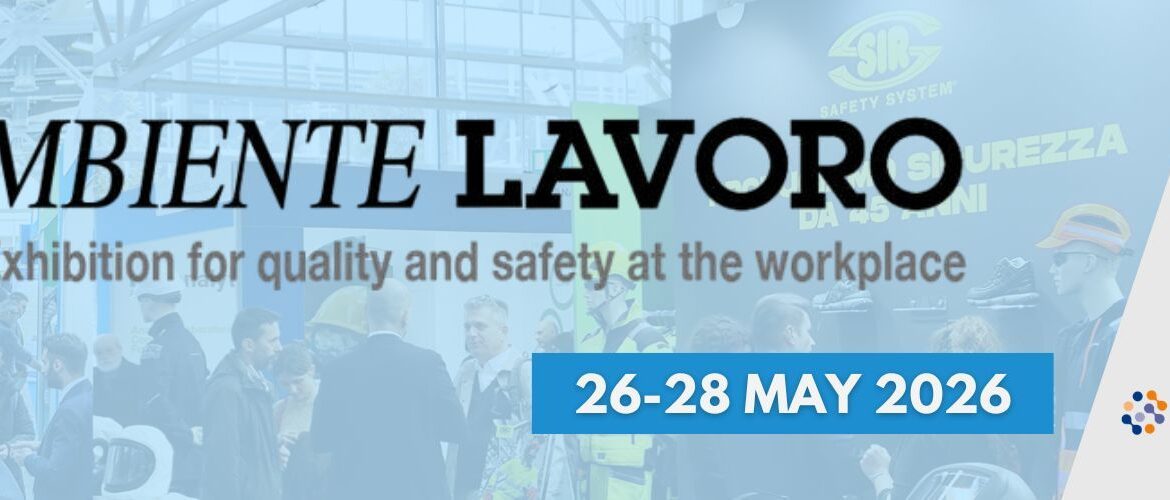
Eurofins EcoGestor attended Ambiente Lavoro 2026

Eurofins EcoGestor attended Ambiente Lavoro 2026 2000 500 Eurofins EcoGestor

Eurofins EcoGestor has attended Ambiente Lavoro 2026, the 36th Quality and Safety in the Workplace Exhibition. This event is the largest exhibition dedicated to health and safety at work in Italy. It is also an essential point of reference for all professionals in the sector.

Date and location of Ambiente Lavoro 2026

  • When: 26-28 May 2026
    Where: BolognaFiere

For 36 years, Ambiente Lavoro has been a must-attend event for products, solutions and the latest news on current regulations regarding quality and safety in the workplace. The fair brings together experts, companies and professionals seeking to improve quality and safety in the workplace.

EcoGestor software at Ambiente Lavoro 2026

In this edition, Eurofins EcoGestor was present in the services section, with out different software modules: EcoGestor Legislation, EcoGestor CAE and EcoGestor CMMS. Platforms designed to facilitate the management of legal regulations, the coordination of business activities and equipment maintenance, respectively, to help companies comply with regulations and improve their safety standards.

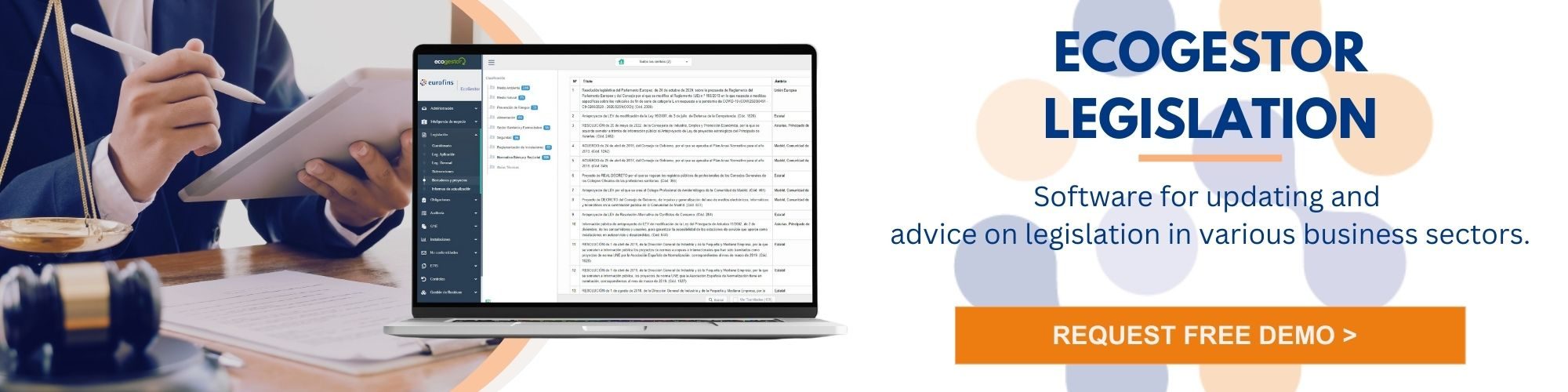
  • EcoGestor Legislation is a comprehensive tool that allows companies to keep up to date with the legal regulations applicable to their activities. It offers efficient and automated management of legislation, ensuring that companies comply with all legal obligations and avoiding possible sanctions.
  • On the other hand, EcoGestor CAE focuses on the coordination of business activities, facilitating the management of documentation and communication between companies and their contractors. This software ensures that all parties involved comply with occupational health and safety requirements, improving collaboration and reducing occupational risks.
  • Finally, EcoGestor CMMS is our CMMS solution for digitising industrial maintenance. The ultimate platform for asset management and preventive and corrective maintenance operations of industrial facilities.

We invited all attendees to visit our stand at Ambiente Lavoro 2026 to learn more about our solutions and how they can help improve safety and compliance in your organisation.

carbon border adjustment mechanism

The CBAM enters its final phase: consolidated regulations and key effects for 2026

The CBAM enters its final phase: consolidated regulations and key effects for 2026 1200 800 Eurofins EcoGestor

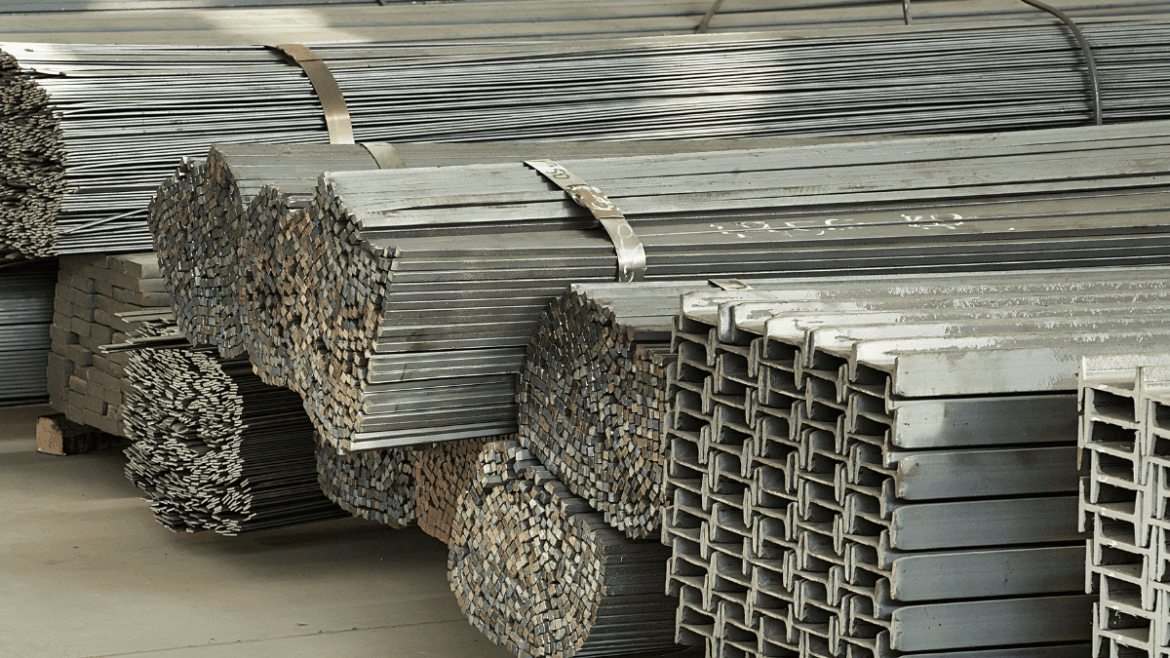
The European Union has published Regulation (EU) 2025/2083, which amends Regulation (EU) 2023/956 and strengthens the Carbon Border Adjustment Mechanism (CBAM). This update is part of the European Commission’s first Omnibus package, published on 26 February 2025, and is a key step towards simplifying its implementation, reducing administrative burdens and ensuring the climate effectiveness of the mechanism.

European regulations governing the CBAM

The Carbon Border Adjustment Mechanism (CBAM) was created by Regulation (EU) 2023/956, adopted in May 2023 as a central part of the European Green Deal. During its initial phase, between 2023 and 2025, companies were only required to report emissions associated with their imports, with no financial obligations attached.

The European Union has now taken a further step with the adoption of Regulation (EU) 2025/2083, which updates and strengthens the functioning of the CBAM. The new regulation simplifies procedures, redefines obligations and adjusts emission calculation methods, with the aim of facilitating its implementation and consolidating its role as a climate tool.

Main changes to the CBAM from 2026 onwards

1. New single threshold of 50 tonnes and de minimis exemption:

One of the most significant changes is the creation of a single threshold based on net imported mass. Companies that import less than 50 tonnes per year of products covered by the CBAM into the European Union will be exempt from its obligations. This limit will apply to sectors such as steel, aluminium, fertilisers and cement, but will not affect imports of hydrogen or electricity.

The aim is to reduce the administrative burden for operators with low volumes, especially SMEs, without compromising the environmental coverage of the mechanism.

The threshold will apply from 1 January 2026.

2. Obligation to be a CBAM authorised declarant:

Only authorised declarants — importers or indirect customs representatives — may bring goods subject to the mechanism into the EU. This authorisation becomes a requirement from 1 January 2026.

Temporary exception: If the authorisation application is submitted before 31 March 2026, the importer may continue to operate provisionally until the competent authority has made a decision.

3. New emissions calculation system:

From 2026 onwards:

  • Implicit emissions shall be calculated using default values published by the Commission or using actual values verified by accredited verifiers.
  • Verification shall only be mandatory when actual values are used.

4. Annual CBAM declarations:

CBAM declarations must be submitted:

  • Before 30 September each year
  • For the first time in 2027, with regard to imports in 2026

A specific module will be enabled in the CBAM Registry and delegation to third parties will be permitted.

5. Purchase of CBAM certificates:

  • The quarterly obligation to hold CBAM certificates is reduced:
  • From 80% to 50% of cumulative embedded emissions since the beginning of the year.

6. Additional regulatory impact:

Regulation (EU) 2025/2083 entails the amendment of:

  • Implementing Regulation (EU) 2025/486
  • Implementing Regulation (EU) 2024/3210

The Commission expects to complete these adjustments in the coming months.

Impact of CBAM on businesses and importers

The entry into force of the definitive CBAM period in 2026 will entail:

  • New formal obligations: need to be an authorised declarant and submit annual declarations.
  • CBAM certificate management, albeit with a reduced quarterly burden.
  • Lower administrative burden for low-volume importers thanks to the 50-tonne threshold.
  • Greater legal certainty in the calculation of emissions using default values.
  • Incentives for global decarbonisation, by maintaining consistency with the European Emissions Trading Scheme (ETS).

Support for CBAM compliance

In a constantly evolving regulatory environment, having tools that enable the identification and understanding of legal obligations is essential for effective environmental management.

Ecogestor Legislation, the solution from Eurofins Environment Testing Spain, offers an up-to-date and structured system that facilitates the monitoring of applicable regulations — including CBAM — at European, national and regional level, providing technical rigour and legal certainty to organisations.

Software for Non-Conformities: the key tool to manage deviations and corrective actions in your management system

Software for Non-Conformities: the key tool to manage deviations and corrective actions in your management system 2245 1587 Eurofins EcoGestor

The detection and handling of non-conformities is a critical task in any ISO management system. However, when these processes are carried out manually —through spreadsheets, emails or disconnected documents— the organisation loses traceability, efficiency and the abbility to demonstrate compliance.

This is why more and more companies are choosing to implement dedicated non-conformity software, which centralises, automates and controls the entire lifecycle of incidents an their corrective actions.

What is a non-conformity and why is its digital management essential?

A non-conformity is any failure to meet an internal, regulatory or legal requirement. It may arise during internal or external audits, inspections, operational controls or even through internal communications.

Managing them manually introduces several risks:

  • Dispersed and hard-to-access information.
  • Loss of evidence during audits.
  • Lack of control over deadlines and responsibilities.
  • Difficulty analyzing trends.

A non-conformity management software solves these issues by providing structure, traceability and automation.

Key advantages of a non-conformity management software

A digital system makes managing non-conformities much more efficient:

1. Centralized record

Allows you to log incidents originating form audits, inspections, operational controls or employee observations.

2. Smart Classification

Type of nonconformity (legal, internal, major, recrring…), priority level, affected process and probable root cause.

3. Corrective Action Management

Automatic assignment of responsible parties and creation of self-checks with email notification.

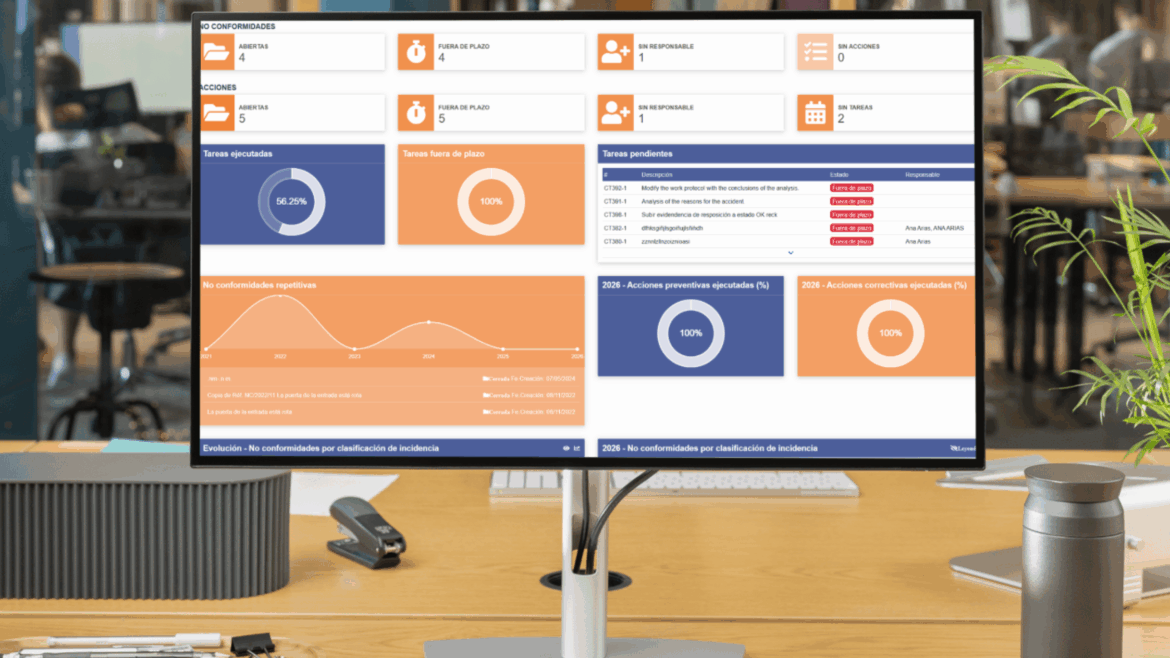
4. Real-Time Status Tracking

Clear visualization of open and closed nonconformities.

5. Evidence and Documentation

Attach documents, photos, audit reports and related records.

6. Reports and KPIs

Dashboards to difentify critical areas, the most frequent causes and processes with the highest number of deviations.

Integrated immediate, corrective and preventive actions

A non-conformity management software makes it easy to differentiate and manage:

  • Immediate Action: contain the issue.
  • Corrective Action: eliminate the root cause.
  • Preventive Action: ensure the problem does not occur in another context.

This allows the organization to move toward real, measurable continuous improvement.

EcoGestor: Software for non-conformities and corrective actions

The EcoGestor Non-conformities module is a solution designed for organizations looking to professionalize and digitalize the management of deviations within ISO systems.

With EcoGestor you can:

  • Register non-conformities.
  • Assign corrective actions with owners and deadlines.
  • Receive automatic alerts to prevent delays.
  • Record evidence and verify effectiveness.
  • Generate reports for management.
  • Integrate all information with other moules such as audits, documentation or legal requirements.

EcoGestor makes it possible to ensure full traceability and clearly demonstrate compliance before certification bodies and public authorities.

Adopting non-conformity management sofware

Adopting non-coformity management software is a strategic step to strengthen management systems, optimize resources and foster a culture grounded in continuous imporvement. Digitalization not only accelerates daily workflows but also boosts the organization’s reliability, transparency and responsiveness.

Solutions like Ecogestor help transform nonconformity management into an agile, controlled and compliance-driven process.

ppe delivery

EcoGestor optimises PPE delivery and document control to ensure compliance with occupational health and safety regulations.

EcoGestor optimises PPE delivery and document control to ensure compliance with occupational health and safety regulations. 1200 800 Eurofins EcoGestor

The provision of PPE (Personal Protective Equipment) is a fundamental legal obligation for all companies whose workers are exposed to occupational hazards. However, it is not enough to simply provide the appropriate equipment: regulations also require that its delivery, use and monitoring be properly documented. To meet this need, EcoGestor offers companies a comprehensive system for managing and controlling the delivery of PPE, ensuring traceability, regulatory compliance and operational efficiency.

The provision of PPE as a cornerstone of occupational risk prevention

According to current legislation on occupational risk prevention, companies must provide workers with appropriate PPE free of charge, ensure its correct use and be able to provide documentary evidence of such provision. The absence of reliable records can lead to administrative penalties, legal liability and risks to employee safety.

EcoGestor enables centralised management of the entire PPE delivery process, ensuring that each worker has the necessary equipment and that the company has clear and accessible evidence in the event of labour inspections or audits.

Complete control and traceability of PPE delivery

The module facilitates:

  • Individualised record of PPE delivery per worker
  • Identification of PPE type, delivery date and person responsible
  • History of deliveries, replacements and substitutions
  • Linking PPE to workplace risks

Thanks to this comprehensive control, companies can quickly and easily demonstrate compliance with their obligations regarding PPE provision and worker protection.

Digital evidence for inspections and audits

One of the main challenges in occupational risk prevention is having up-to-date documentary evidence. EcoGestor digitises the PPE delivery log, eliminating paper documents and reducing errors or loss of information.

The platform allows reports and lists to be generated in real time, facilitating response to:

  • Labour inspections
  • Internal and external audits
  • Management system certifications

This approach provides legal certainty and peace of mind to organisations, ensuring that the delivery of PPE is properly documented and controlled.

Integration of PPE delivery into overall preventive management

PPE delivery is not an isolated process. EcoGestor integrates this control into overall preventive management, allowing the equipment delivered to be linked to:

  • Risk assessments
  • Safe working procedures
  • Occupational risk prevention training
  • Health monitoring

In this way, the delivery of PPE becomes an active prevention tool, aligned with the company’s occupational health and safety strategy.

Commitment to safety and regulatory compliance

With this solution, Eurofins EcoGestor reaffirms its commitment to worker safety and legal compliance in occupational risk prevention, offering companies an effective tool to manage PPE delivery in an orderly, traceable manner that complies with current regulations.

Proper management of PPE delivery not only protects workers, but also reinforces the responsibility and image of organisations committed to occupational risk prevention.

Directiva reparación de bienes

The EU Directive Driving the Repair of Goods: New Information Obligations on the Horizon

The EU Directive Driving the Repair of Goods: New Information Obligations on the Horizon 1200 800 Eurofins EcoGestor

The circular economy continues to gain momentum across the European Union, with firm steps that directly impact manufacturers, repair professionals, and consumers. A new EU Directive introduces significant changes in how goods repair information must be communicated, setting clear deadlines and specific obligations that stakeholders should understand well in advance. With key milestones approaching in 2026, staying informed will be essential to avoid non‑compliance.

A European landscape focused on repairability and sustainability

Directive (EU) 2024/1799 of the European Parliament and of the Council, dated 13 June 2024, sets out common rules to promote the repair of goods, fully aligned with the EU’s goals of waste reduction, efficient resource use, and extending product lifespan.

This provision amends Regulation (EU) 2017/2394 and Directives (EU) 2019/771 and (EU) 2020/1828, strengthening the role of consumer information as a key driver for more sustainable purchasing and repair decisions. The transposition deadline is 31 July 2026, giving Member States and economic operators a limited window to adapt.

Information obligations for repairers: clarity and transparency

One of the key pillars of the Directive focuses on the information obligations of repairers, who must provide consumers with the European Repair Information Form. Once the Directive is transposed, they will be requierd to: 

  • Specify the conditions of repair clearly and comprehensibly.
  • Provide the form of free change, o a durable medium and before the contract is formalised. 
  • Inform the consumer in advance of any diagnostic service fees, when applicable.
  • Keep the repair conditions unchanged for a period of 30 calendar days.

These requirements are desgined to build consumer trust and make it easier to compare repair options objectively.  

New information requirements for manufacturers and importers

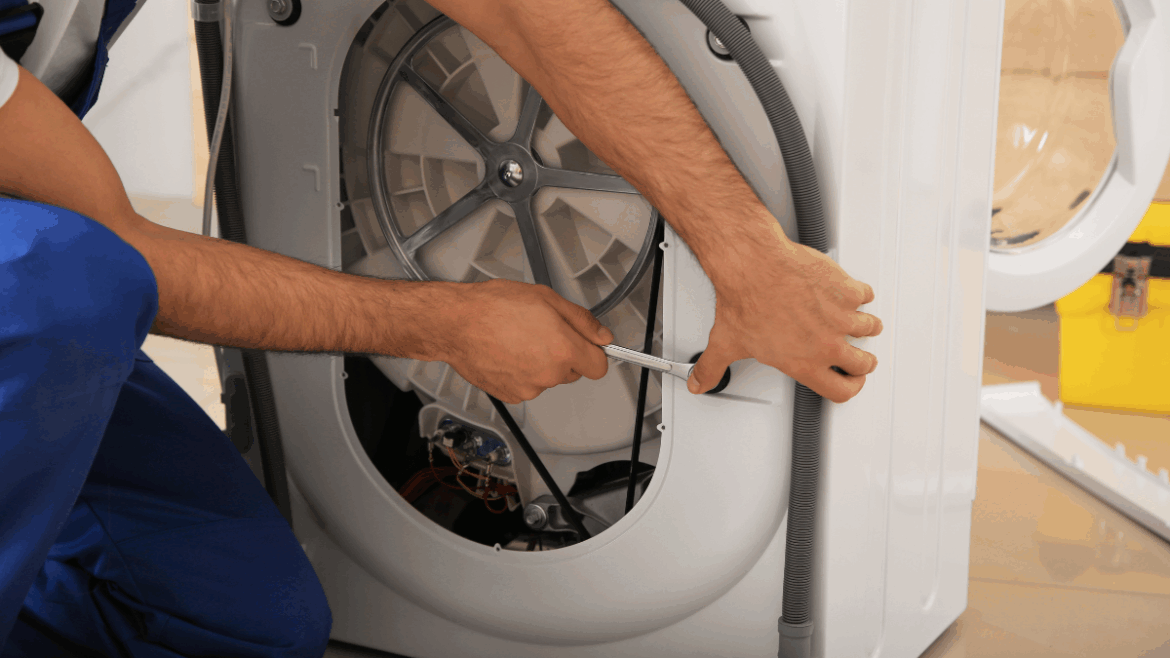
The Directive (EU) 2024/1799 also introduces specific obligations for manufacturers of the goods listed in Annex II—including domestic washing machines, refrigeration appliances, electronic displays, welding equipment, vacuum cleaners, servers and data‑storage products, mobile or cordless phones, among others—as well as for authorised representatives and importers. Key information obligations include:

  • Repair goods when EU-established repairability requirements apply, doing so free of charge or at a reasonable cost and within a reasonable timeframe.
  • Publish information on indicative prices for common repairs on a freely accessible website.
  • Do not use contractual clauses or technical solutions (hardware or software) that prevent repair.
  • Do not hinder independent repairers form using original, compatible, second-hand, or 3D-printed spare parts.
  • Do not refuse to carry out a repair on the grounds that the product has previously been repaired by someone else.
greenwashing directive

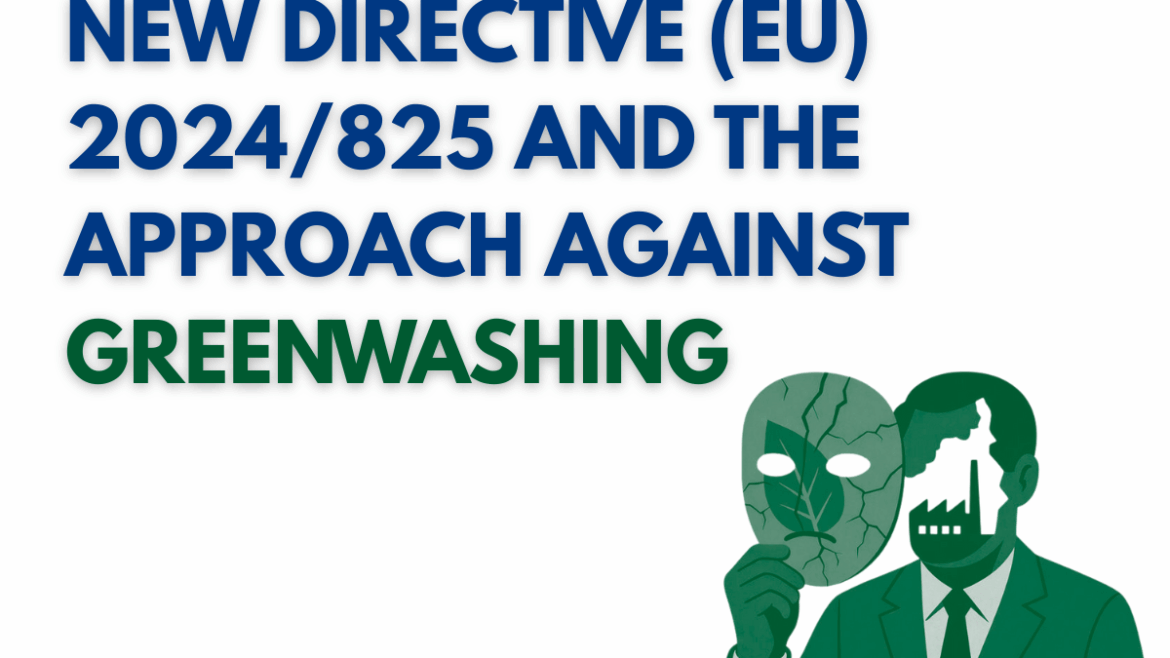
New Directive (EU) 2024/825 and the approach against greenwashing: what is it and what implications will it have for businesses?

New Directive (EU) 2024/825 and the approach against greenwashing: what is it and what implications will it have for businesses? 1200 800 Eurofins EcoGestor

Directive (EU) 2024/825 of the European Parliament and of the Council of 28 February 2024 has been adopted with an ambitious and strategic objective: to empower consumers for the green transition through better protection against unfair commercial practices and clearer and more reliable information on the environmental and social characteristics of goods and services.

This new European framework essentially strengthens the fight against so-called greenwashing — marketing practices in which companies provide ambiguous, exaggerated or false information about environmental benefits to attract customers — and extends the obligations of transparency and truthfulness in commercial communications.

What does the Directive consist of?

The Directive mainly amends two key pieces of EU law:

  • Directive 2005/29/EC on unfair commercial practices and
  • Directive 2011/83/EU on consumer rights.

Its approach is twofold:

  1. Protection against misleading practices that make it difficult for consumers to make environmentally responsible purchasing decisions, such as:
    • Misleading environmental or social claims about products (e.g., ‘eco-friendly’ without objective backing).
    • Unclear or difficult to verify information on characteristics such as repairability, durability or recyclability.
    • Ambiguous comparisons between products that may be misleading.
  2. Improvement of the pre-contractual information that companies must provide before purchase, especially in relation to:
    • the availability of more sustainable delivery options,
    • information on repair and after-sales services,
    • details of durability guarantees or the conditions for software updates on digital goods.

Together, these measures aim to enable consumers to compare and choose products in a more informed and sustainable manner, and to enable companies to compete on the basis of facts — not ambiguous claims — about sustainability.

What is greenwashing and how does this Directive combat it?

Greenwashing refers to marketing practices in which a company presents its products or services as more environmentally friendly than they actually are or uses vague terms without verifiable support. The Directive acts on two fronts here:

  • Extends the practices considered unfair when they mislead consumers about environmental benefits.
  • It requires that environmental claims be backed by clear, objective, publicly verifiable commitments accompanied by implementation plans with allocated resources.

This implies that a company cannot simply claim that a product is “environmentally friendly” or “neutral” without providing verifiable and accessible evidence of how that conclusion was reached.

Key deadlines for companies in the EU

  • Transposition deadline:

Member States must transpose the content of the Directive into their national legislation by 27 March 2026.

In Spain, this process has already begun with the drafting of the Preliminary Bill on Sustainable Consumption, which will serve as a regulatory instrument to adapt Spanish law to new European requirements on environmental information, combating greenwashing and protecting consumers.

  • Effective application:

The rules may be applied from 27 September 2026, the date on which penalties or contract exclusions may be imposed for failure to comply with the obligations arising from the Directive.

This timetable is key for companies to prepare in advance and adapt their communication, labelling and environmental information management processes. ental.  

What obligations will companies have?

Companies operating in the EU market must:

  • Ensure that all environmental or social statements are clear, verifiable and reliable.
  • Avoid ambiguous or unsubstantiated claims that could mislead consumers (greenwashing).
  • Provide detailed and accessible information on relevant characteristics of the product or service — including aspects of circularity and sustainability — prior to purchase.
  • Facilitate objective comparisons between products when environmental data is included.
  • Include information on repair, durability, availability of parts and after-sales services, where applicable.

Furthermore, traders may be required to verify certain claims through independent third-party experts, especially when referring to specific sustainability objectives or targets.

Conclusion

Directive (EU) 2024/825 represents an important step by the European Union to combat greenwashing and strengthen consumer rights in their transition towards more sustainable consumption patterns.

For companies, this implies increased obligations in terms of transparency, verification and reporting of environmental and social information, with a direct impact on communication, marketing and regulatory compliance strategies.

Is your company ready to comply with Directive (EU) 2024/825 and avoid penalties for greenwashing? Contact us for expert advice.

identify environmental regulations

How to identify the environmental regulations that affect a company?

How to identify the environmental regulations that affect a company? 1200 800 Eurofins EcoGestor

Identifying the environmental regulations that affect a company is an essential process to ensure legal compliance and avoid sanctions. In Spain, environmental legislation is extensive and organised at different levels, from European regulations to municipal ordinances. This article will guide you step-by-step on how to identify and correctly apply the environmental regulations relevant to your company, with a special focus on the use of tools such as EcoGestor Legislación to facilitate this process.

1. Understand the company’s business

The first step in identifying applicable environmental regulations is to understand how the company’s activities interact with the environment. Some key questions include:

  • What kind of activities does the company carry out (e.g. production, transport, waste management)?
  • Does it use natural resources and does it generate emissions or discharges?
  • Where is the company located and what local regulations might apply?

2. Identify environmental legislation in Spain

In Spain, environmental legislation is structured at different hierarchical levels:

  • EU legislation (European Union): Regulations and directives that set basic standards and are directly or indirectly applicable in Spain. Key examples include the directives on industrial emissions and the protection of biodiversity.
  • State legislation: Based on the Spanish Constitution and developed through organic laws, royal decrees and ministerial orders. Article 45 of the Constitution establishes the right to an adequate environment and the duty to preserve it.
  • Autonomous community regulations: Each autonomous community in Spain has the capacity to establish stricter regulations than those of the state, especially in areas such as waste management and air pollution.
  • Municipal ordinances: Although municipalities do not have legislative powers, they can regulate specific aspects such as noise, landfills and waste management through local ordinances.

3. Review European standards and their application in Spain

Spain, as a member of the European Union, is obliged to comply with European environmental regulations. This includes the implementation of directives and regulations affecting various areas such as waste management, climate change and air quality. It is crucial to review how these European rules are transposed into Spanish law and how they are applied in practice.

4. Consult specialised sources and digital tools

To ensure that the company complies with all applicable environmental regulations, it is advisable to use specialised digital tools such as EcoGestor Legislation. This software facilitates:

  • Identification and management of legal requirements: Allows companies to identify which regulations affect them according to their sector and location.
  • Continuous updating: EcoGestor keeps companies up to date with the latest legal updates, which is essential given the frequency with which new regulations are published.
  • Expert advice: Specialised environmental consultants provide ongoing support in interpreting and applying regulations.

5. Conduct environmental audits

Environmental audits, whether internal or external, are essential to assess the degree of regulatory compliance and to identify areas for improvement. These audits should review documentation, verify on-site operations and assess environmental risks.

6. Keeping informed and adapting to legislative changes

Environmental regulations in Spain are constantly evolving. Keeping up to date is a complicated task that requires daily dedication to review all the official bulletins, both at state, regional and local level. This effort is essential to ensure that the company complies with all legal obligations and does not incur penalties.

7. Implement an environmental management system (EMS).

Adopting an environmental management system in accordance with ISO 14001 can be an effective strategy for integrating legal compliance into all company operations. A well-implemented EMS not only ensures compliance, but also improves efficiency and reduces environmental impact.

Conclusion

Identifying the environmental regulations that affect your company is an ongoing and complex process, especially in a regulatory environment such as Spain. The large number of regulations and the frequency of updates require daily monitoring of official bulletins. Tools such as EcoGestor Legislación are essential to manage this challenge, allowing companies to keep up to date with regulations and ensure effective compliance. By following these steps, your company will not only avoid penalties, but also contribute to a more sustainable environment and better management of your resources.

Request your free DEMO here and find out how we can help you.

Legal requirements

Do you know what legal requirements are and how to ensure compliance?

Do you know what legal requirements are and how to ensure compliance? 1200 800 Eurofins EcoGestor

In an increasingly regulated business environment, complying with legal requirements is no longer an option, but a strategic necessity. This obligation goes beyond avoiding penalties: it is the foundation on which the reputation, sustainability and competitiveness of any organisation are built. But how do you identify all applicable requirements and ensure compliance effectively?

Legal requirements: the regulatory framework that ensures your business viability

Legal requirements are the set of laws, rules, regulations and ordinances that regulate business activity. They aim to ensure that organisations operate in an ethical, safe, sustainable and legally compliant manner. These requirements vary depending on the sector and type of activity, and can cover areas as diverse as:

  • Environment: waste management, emission control, dumping, energy efficiency and pollution prevention.
  • Occupational health and safety: safe working conditions, occupational risk prevention and staff welfare.
  • Quality: compliance with management standards such as ISO 9001 or sector-specific standards to ensure excellence of products and services.
  • Data protection: compliance with the General Data Protection Regulation (GDPR) and other privacy regulations.
  • Industrial safety: technical supervision of facilities, machinery, processes and compliance with sector-specific regulations.
  • Food legislation: compliance with health and hygiene requirements, traceability, labelling and food safety regulations applicable to the entire agri-food chain.

Specific requirements according to regulated sectors

  • Rail and aviation: compliance with state regulations on operational safety, maintenance and infrastructure management.
  • Construction: adaptation to legal requirements on structural safety, sustainability and working conditions on site.
  • Electricity and hydrocarbons: compliance with technical and safety regulations relating to energy installations, supply and transport.
  • Tourism: compliance with specific regulations on safety, accessibility, sustainability and quality in the provision of tourism services.

These regulatory frameworks not only define how a company should operate, but also shape its minimum obligations to ensure responsible and legally compliant development, adapted to the particularities of each sector of activity.

From a practical point of view, a legal requirement is what your company must do to comply with current legislation. It may be a specific action, a preventive measure, a mandatory documentation or a technical assessment. This is where many organisations face the challenge of correctly interpreting what each regulation requires.

How to comply with legal requirements effectively?

Complying with the law should not be a complex task if a proactive approach is taken. Companies that excel in this area do so through systematic management, including:

  • Regulatory identification: analyse which laws and regulations apply to the specific business activity.
  • Legal impact assessment: understanding how these regulations affect internal processes.
  • Implementation of corrective measures: adapt operations, procedures and human resources.
  • Regular auditing and monitoring: review the degree of compliance and prevent deviations.
  • Continuous updating: anticipate legislative changes that may affect the sector.

EcoGestor Legislation: clarity, control and compliance at your fingertips

At Eurofins Environment Testing Spain, we offer you a comprehensive solution: EcoGestor Legislation. This digital tool allows you to automate the control of your legal obligations and facilitates their efficient compliance. Its main advantages include:

  • Personalised identification of the legal requirements applicable to your activity.
  • Clear and schematic extraction of what each regulation requires: EcoGestor tells you, directly, exactly what your company must do to comply with each specific regulation, without ambiguities or unnecessary technicalities.
  • Centralised management of tasks, people in charge, key dates and documentation.
  • Real-time alerts and updates on legislative changes affecting your business.
  • Comprehensive coverage in areas such as environment, occupational safety, quality, data protection and industrial safety.

In addition, EcoGestor Legislation is also available in Portugal, Italy, Peru and France, allowing business groups with an international presence to manage their legal compliance in a unified way and adapted to each country.

EcoGestor Legislation can be seamlessly integrated with other solutions in the EcoGestor ecosystem, such as:

  • Contractor Management (Coordination of Business Activities)
  • CMMS (Computer Aided Maintenance Management)
  • PPE (Personal Protective Equipment Management)
  • Waste (Control of waste generated and its traceability)

This integration makes it possible not only to know what the regulations require, but also to take operational control of compliance, converting legal knowledge into real, planned and documented actions within the system.

Eurofins EcoGestor: your strategic partner in regulatory compliance

In a context of constant change, having a team of expert consultants like Eurofins EcoGestor makes all the difference. Our unit specialising in environmental legislation and regulatory compliance works to help you keep your organisation within the legal margins and turn that obligation into a competitive advantage.

enviromental regulations

Staying up to date with environmental regulations is a duty for Spanish companies: here’s how to do it effectively.

Staying up to date with environmental regulations is a duty for Spanish companies: here’s how to do it effectively. 1200 800 Eurofins EcoGestor

Every year, laws, obligations, and environmental regulations change. But how many companies actually manage to stay current? Discover which recent regulatory updates you can’t afford to ignore and how to simplify environmental legal management in your company.

A constantly evolving regulatory landscape

For those operating in the industrial, production, or environmental services sectors in Spain, closely monitoring legislative updates is not just a best practice — it’s a legal obligation that helps avoid penalties and ensures the sustainability of business activities.

In recent years, the European and national legal framework has undergone significant changes, introducing new requirements on waste, emissions, water, packaging, and hazardous substances. These updates are continuous and often fragmented, making it difficult for companies to gather, interpret, and apply the regulations in a timely manner.

Concrete examples of recent environmental regulatory updates in Spain

Below are some of the most relevant regulatory changes from recent months:

  • UK Emissions Trading Scheme (UK ETS)
  • CBAM (Carbon Border Adjustment Mechanism)
  • Extended Producer Responsibility (EPR) for Packaging
  • Plastic Packaging Tax

The challenge for companies: too many sources, too little time

Many organizations are unable to monitor the UK’s official legislation portal , regulatory agencies’ websites, or European Commission publications on a daily basis. Moreover, correctly interpreting and applying the regulations to their activities requires time, legal expertise, and constant updates.

EcoGestor Legislación: the solution for Spanish companies

To simplify regulatory monitoring and ensure legal compliance, EcoGestor Legislation offers a complete and personalized digital service. It’s a SaaS platform developed by environmental experts that:

  • Provides automatic updates on environmental regulations relevant to each company

  • Integrates a constantly updated Spanish and European legislative database

  • Offers a personalized legal analysis service, with clear interpretations and practical recommendations

  • Enables companies to track legal requirements, archive documentation, and prepare for audits

Thanks to EcoGestor, more than 3,000 organizations across Europe stay up to date and compliant, reducing the risk of penalties and promoting efficient, transparent environmental management.

The regulatory landscape never stops evolving. Having a reliable tool like EcoGestor Legislation is a strategic decision for any company that wants to remain competitive and comply with ever-changing environmental legislation.